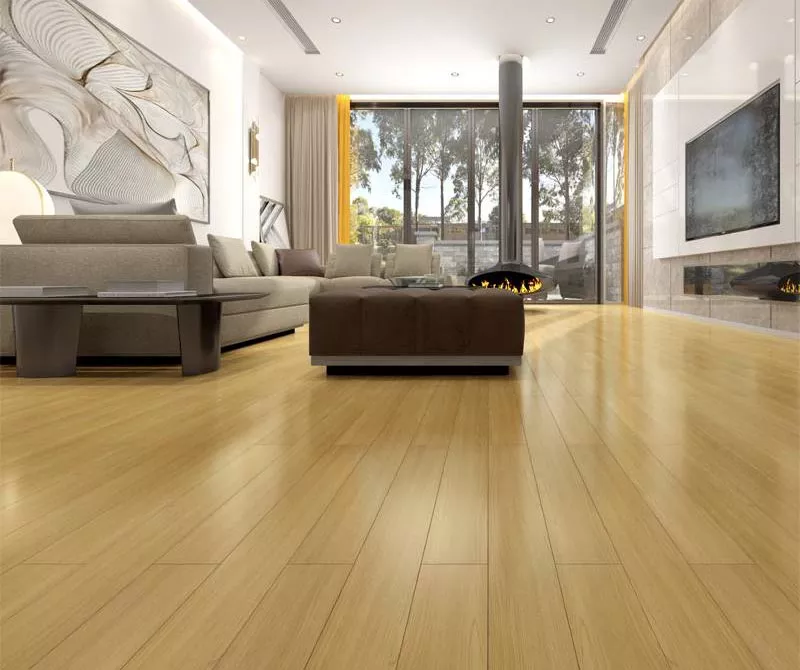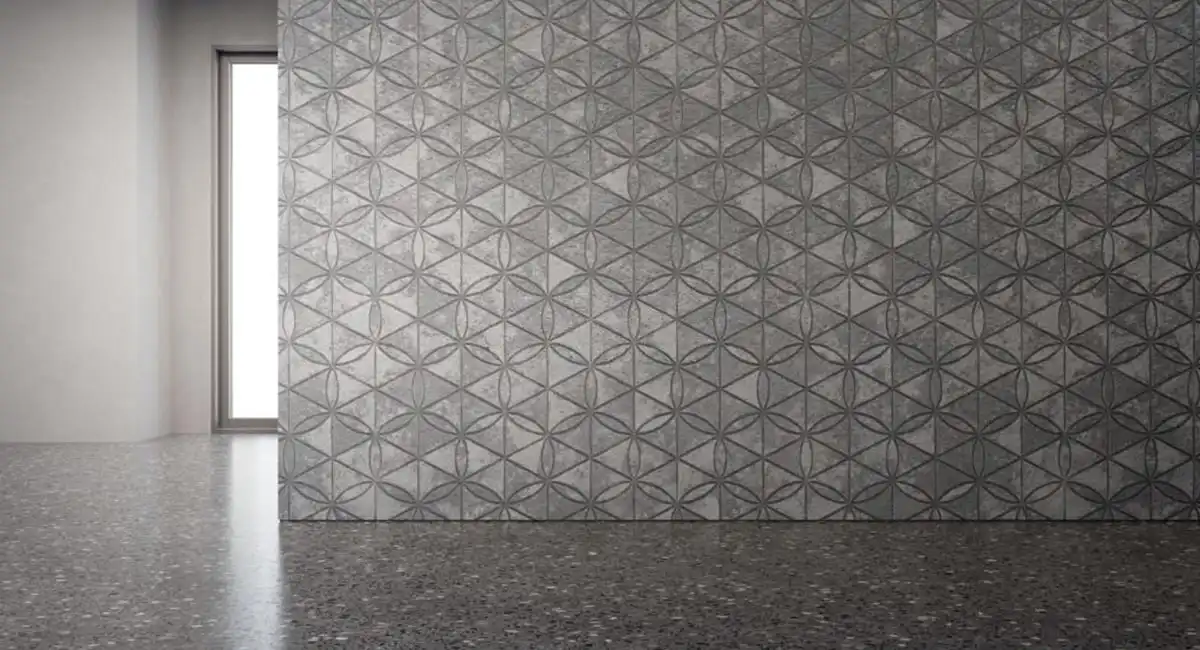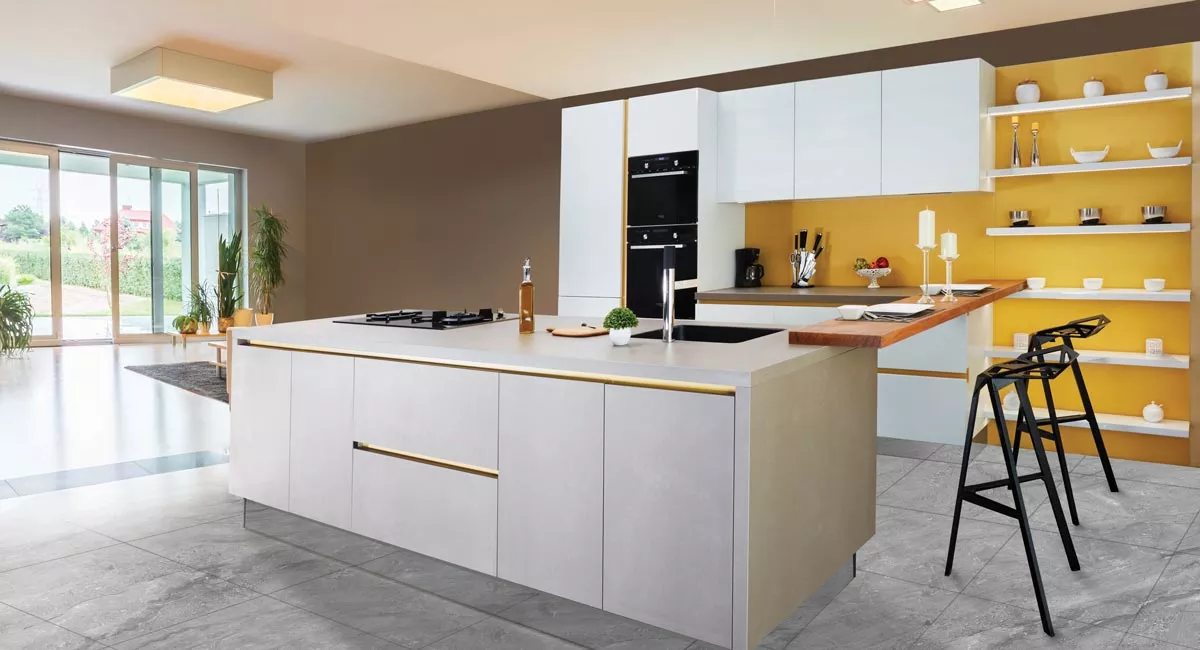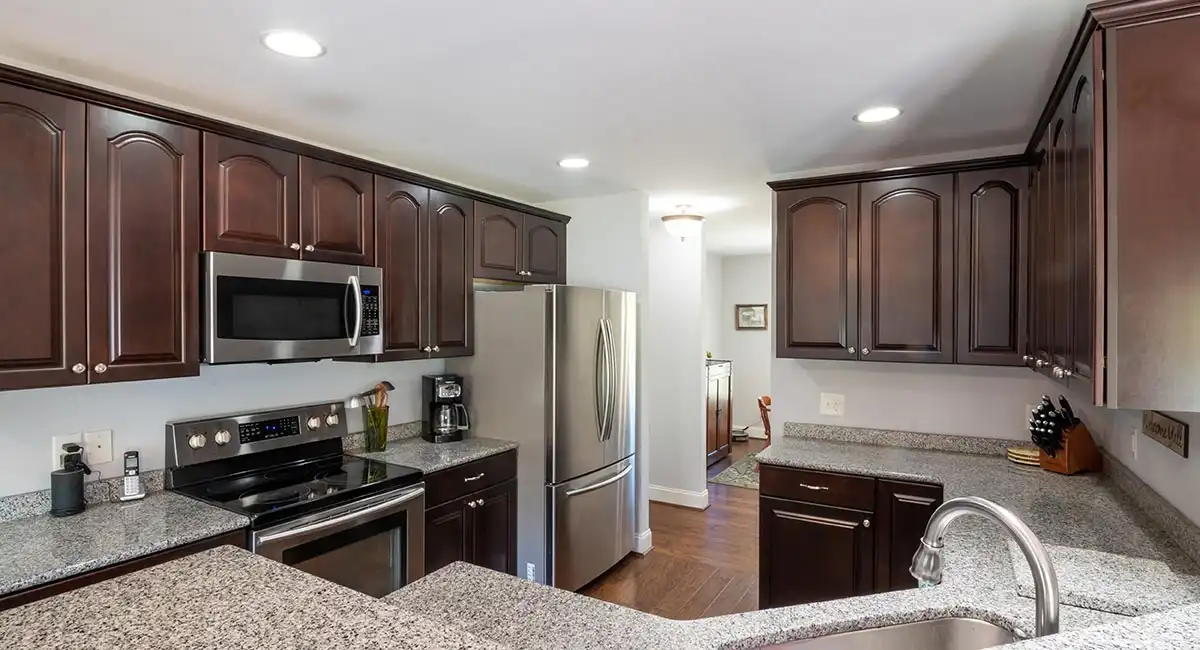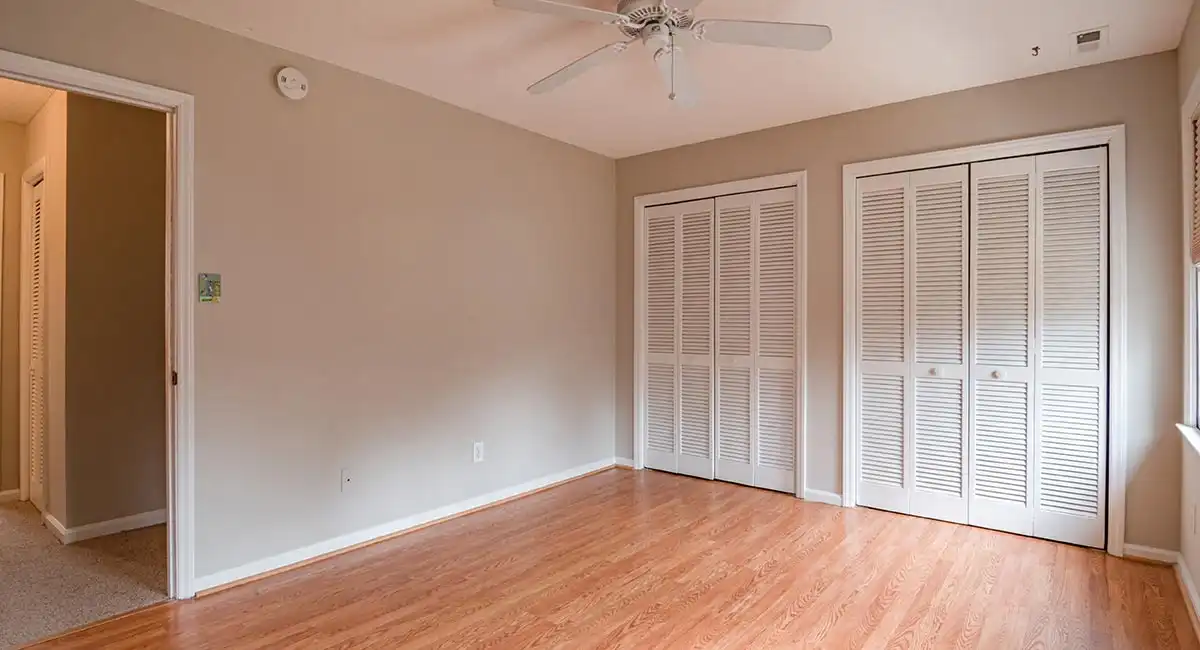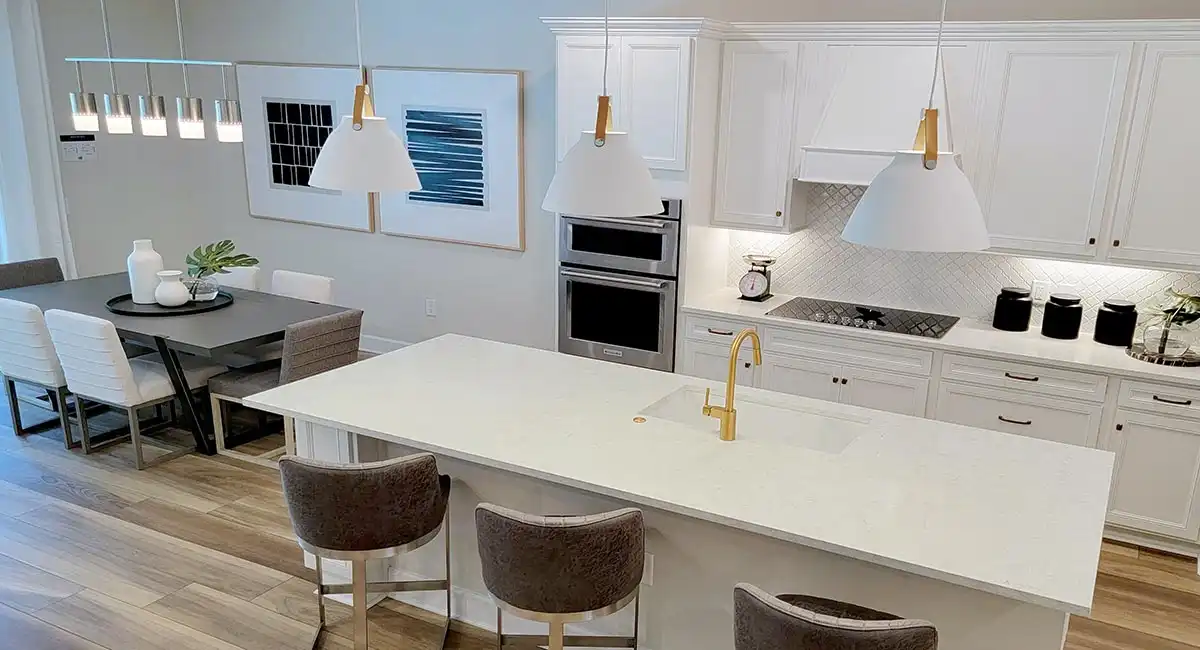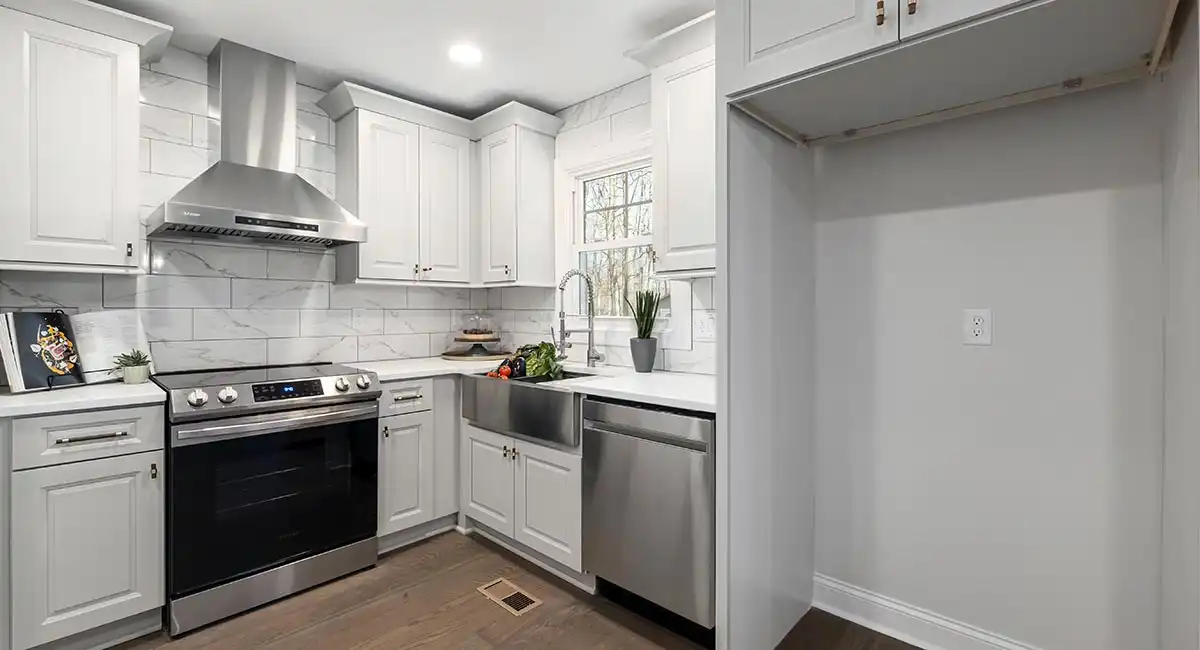
Innovation in interior design has never been more accessible thanks to the advanced technology utilized by Dawei Decorative Materials Co., Ltd. The company specializes in 3D and 4D papers that add depth and dimension to any project, transforming spaces with their lifelike textures and vibrant designs.
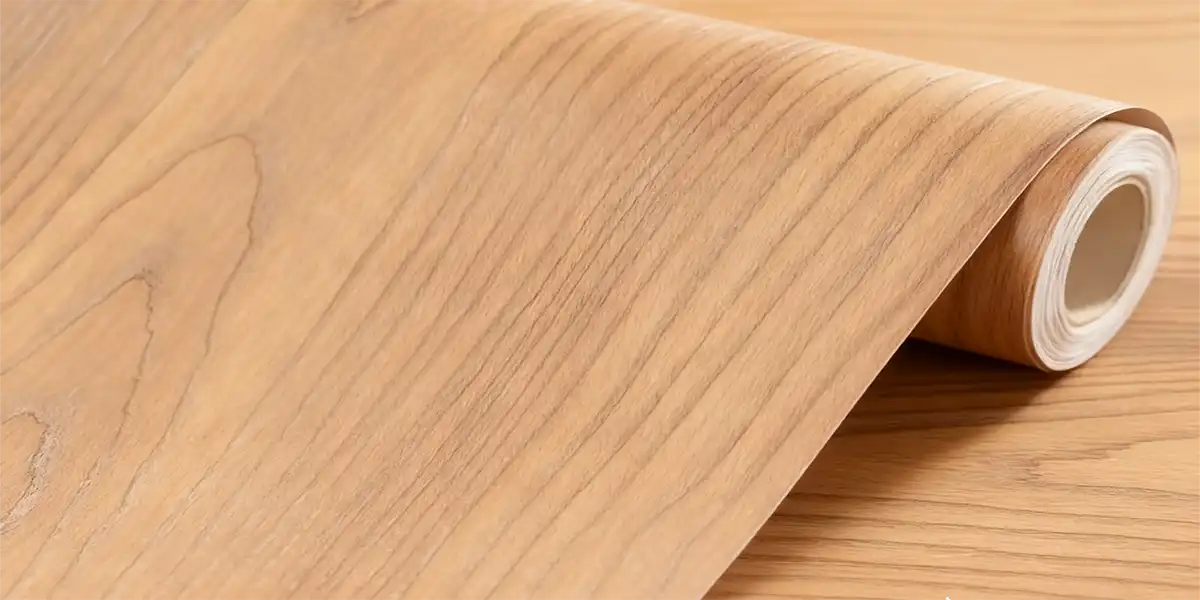
Understanding 3D & 4D Papers
3D papers feature a double-layer PU coating with a second layer that adds a raised pattern, creating a tactile experience and enhancing scratch resistance. 4D papers go a step further, offering an even more pronounced three-dimensional effect. Both are produced using a combination of resins, paper, and ink, and undergo a process involving papermaking, printing, coating, and re-coating.
Varieties of Designs and Applications
The aesthetic options for 3D papers are vast, ranging from wood and fabric grains to floral patterns, abstract motifs, and solid colors. These designs are applied to various substrates, making them ideal for furniture making, exhibition booth cladding, line wrapping, picture frame crafts, door frame cladding, door panel creation, and much more.
Comparing 3D Paper with Melamine Paper
While both materials are used in furniture making, 3D papers stand out as pre-finished products that require no additional processing after application. In contrast, melamine paper is considered a semi-finished product that needs to be impregnated with resin, dried, and pressed onto panels. 3D papers can be adhered using machines designed for this purpose, whereas melamine paper requires hot pressing equipment.
Application and Performance
For optimal results when applying 3D papers, temperatures should range between 50-60°C when using white latex glue or board glue; for hot melt adhesives, temperatures should not exceed 180°C. Suitable machinery includes paper applicators, covering machines, and edge banders.
For manual application, the surface must be dust-free before evenly applying adhesive. The paper should then be pressed and rolled to ensure a seamless bond.
Customization and Quality Assurance
Choosing the right weight of 3D paper depends on the specific application. For instance, 40gsm is recommended for line wrapping and furniture making, while 50-65gsm suits door and furniture production. Quality assessment involves checking for bubbles, whitening, chipping, fraying, delamination, water/oil resistance, heat resistance, and hand feel strength.
Cost Factors and Procurement Process
The cost of 3D papers is influenced by the base paper quality, ink thickness, design intricacy, and ink grade. To purchase from Dawei, customers can select designs online, request samples, confirm specifications, provide color samples, approve proofs, pay deposits, oversee production, and settle final payments.
Specifications and Production Capacity
Standard rolls of 3D paper measure 1270mm in width with a 1250mm effective printing area. Depending on the weight (40gsm, 50gsm, or 60gsm), rolls vary in length and weight. Custom lengths are available upon request. The minimum order quantity is 5,000 meters per design, and the annual production capacity exceeds 50 million meters.
Global Reach and Preferences
Dawei exports directly to numerous countries including Saudi Arabia, Egypt, Pakistan, Bangladesh, Russia, South Korea, Vietnam, Malaysia, Indonesia, Turkey, Ethiopia, Brazil, Mexico, Argentina, Kazakhstan, Kyrgyzstan, and India. Preferences differ regionally; Middle Eastern countries favor ornate golden and red wood grains, while Russian clients prefer natural tones, and Southeast Asian tastes lean towards light, clear wood grains.
Exploring PU Papers
PU papers encompass single-layer and double-layer PU coatings. Single-layer PU is typically used in areas with less frequent contact, whereas double-layer PU is better suited for high-touch surfaces. Other options include embossed PU papers.
Storage and Lifespan
Regardless of type—be it 3D paper, PU paper, or thin paper—the lifespan is contingent upon storage conditions. Typically, these materials should be used within one year to prevent aging and yellowing. When transformed into finished products, they generally last around 2-3 years.
By choosing Dawei’s advanced 3D and 4D papers, designers and manufacturers gain access to versatile, durable, and aesthetically pleasing solutions that elevate any design project to new heights. Whether it’s transforming a living room with intricate wood grains or adding a modern twist to an office space through abstract patterns, Dawei provides the tools needed to bring creative visions to life.