
Why Does the Same Melamine Paper Look Different After Pressing?
Many people believe that the surface texture of melamine paper is determined by the paper itself. In fact, melamine paper is naturally smooth after impregnation. The final surface appearance—including matte, high gloss, wood grain, stone texture, or embossed finishes—is created during the hot pressing process with the appropriate press plate.So, what determines the final surface finish?
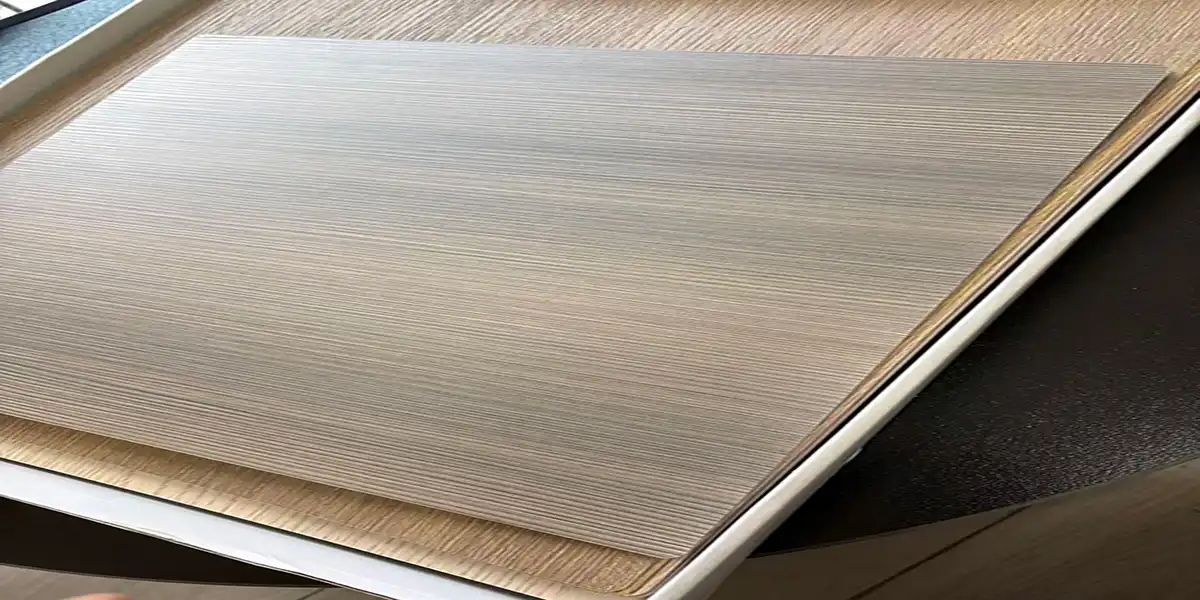
1.Is Melamine Paper Naturally Smooth?
Melamine paper is naturally smooth after impregnation, with decorative patterns printed on the paper surface to create different visual effects, such as wood grain, marble, and solid colors. Before the hot pressing process, the paper itself does not have any tactile texture or embossed effect. The final surface texture is not created by the decorative paper alone, but is mainly determined by the hot pressing process and the type of press plate used during production.
2. What Determines the Final Surface Finish?
(1)How Does the Hot Pressing Process Work?
Hot press machines deliver stable heat and uniform pressure to melt and fully cure the melamine resin on the paper. Under high pressure, the liquid resin conforms completely to the surface shape of the upper stainless steel plate. After cooling and curing, the plate’s texture is permanently transferred to the melamine layer to form the finished surface effect.
Unstable pressing conditions (uneven temperature, insufficient pressure, mismatched pressing time) will also cause inconsistent gloss, dry spots or incomplete embossing even with the same paper and plate.
(2)Why Is the Press Plate More Important for the Paper Surface?
The press plate acts as a “mold” for surface molding. One melamine paper can produce dozens of different finishes when matched with different plates.
If you swap press plates while keeping paper, substrate and pressing parameters unchanged, the gloss, tactile feel and three-dimensional sense of finished panels will change drastically. That explains why identical melamine paper yields totally different visual results in different furniture factories.
3. How Does a Press Plate Create Different Surface Effects?
(1)What Press Plate Creates a Matte Finish?
Matte stainless steel plates feature micro-fine uniform frosted surfaces. During hot pressing, tiny concave points scatter reflected light, eliminating strong mirror reflection.
This plate delivers soft low-gloss surfaces, widely used for wardrobes, bedroom furniture and whole-house customization. Dawei Decor provides matte melamine paper perfectly compatible with standard frosted steel plates for stable uniform matte effects without whitening.
(2)What Press Plate Creates a High Gloss Finish?
Mirror polished steel plates have ultra-smooth, scratch-free surfaces. After pressing, the cured melamine layer forms a mirror-like high-gloss surface with strong light reflection.
High-gloss panels are popular for modern light luxury cabinets and display furniture. We recommend high-transparency melamine paper matched with top-grade polished plates to avoid foggy, dull gloss defects.
(3)What Press Plate Creates a Wood Grain Texture?
Synchronized embossing steel plates with grain matching the wood patterns on melamine paper. The machine aligns the plate and paper accurately during hot pressing.
The plate’s grain imprints onto the melamine surface, creating real textured wood pores for coordinated visual and tactile effects. This EIR plate is ideal for high-end furniture and wall panels. Regular flat plates only deliver flat printed patterns without texture.
Conclusion
Decorative paper provides the design, while the press plate creates the final texture and visual effect. Choosing the right combination of decorative paper and press plate is essential for achieving the desired appearance and performance. At Dawei Decorative, we work closely with furniture manufacturers to provide melamine papers that are compatible with various press plate finishes, helping customers create high-quality decorative surfaces.

